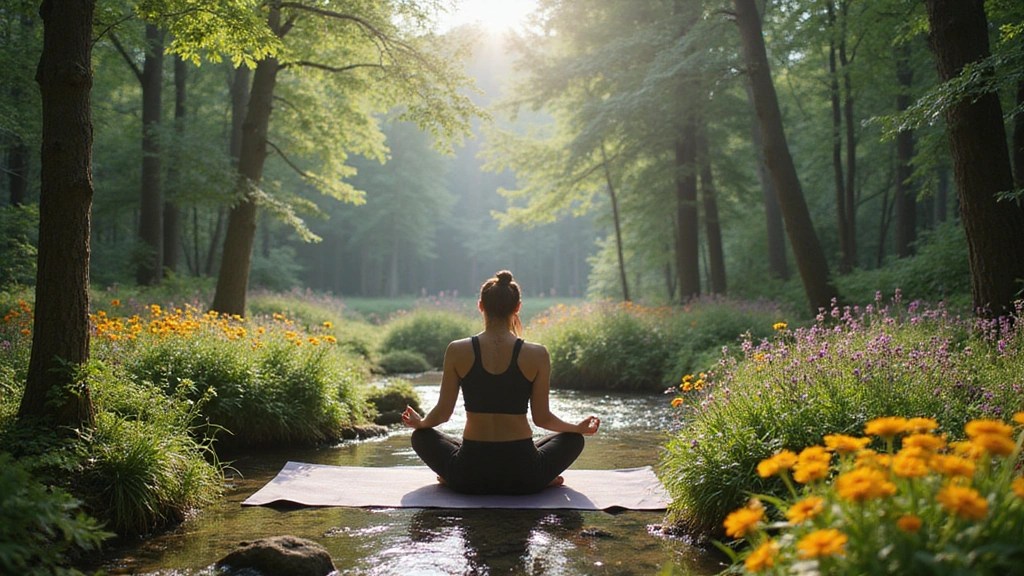
In today’s fast-paced world, stress seems to lurk around every corner, making it essential to find ways to calm our minds and embrace tranquility.
Mindfulness practices offer a powerful antidote to the chaos of daily life, helping us to center ourselves and cultivate a sense of inner peace.
Whether you’re looking to unwind after a long day or simply want to enhance your overall well-being, these practices can transform your stress into serenity.
Let’s embark on this journey of mindfulness together, and discover how each practice can bring you closer to a balanced and peaceful state of mind.
Contents
- 1. Breathing Exercises
- 2. Mindful Walking
- 3. Guided Imagery
- 4. Gratitude Journaling
- 5. Body Scan Meditation
- 6. Mindful Eating
- 7. Nature Connection
- 8. Creative Expression
- 9. Digital Detox
- 10. Loving-Kindness Meditation
- 11. Sound Healing
- 12. Affirmations
1. Breathing Exercises

Breathing exercises are a simple yet effective way to bring awareness to your breath and calm your mind.
By focusing on your breath, you can reduce anxiety and promote relaxation. Start by finding a comfortable seated position. Inhale deeply through your nose for a count of four, hold for a count of four, and exhale slowly through your mouth for another count of four.
Repeat this cycle several times, allowing your body to relax with each breath. This practice can be done anywhere, anytime, making it perfect for busy lives.
Tips: Use a timer to practice for five minutes daily, and try to incorporate it into your morning routine or before bed to set a peaceful tone for the day or night.
Unique Insight: Studies show that focused breathing can lower cortisol levels, which is the hormone associated with stress.
Consider using apps like Calm or Headspace to guide your breathwork.
Product Recommendations:
2. Mindful Walking

Mindful walking combines physical movement with mindfulness, allowing you to connect with your body and the environment.
To practice, choose a quiet place outside, such as a park or garden. As you walk, pay close attention to each step, feeling the ground beneath your feet and observing the sights, sounds, and smells around you.
Try to walk slowly, focusing on your breath and the rhythm of your footsteps. This practice not only grounds you in the present moment but also encourages physical activity, which is vital for mental health.
Tips: Set a timer for 10-15 minutes to start, gradually increasing the duration as you become more comfortable.
Unique Insight: Mindful walking can significantly reduce feelings of anxiety and depression by promoting a connection with nature.
Product Recommendations:
• Yoga Mat
3. Guided Imagery
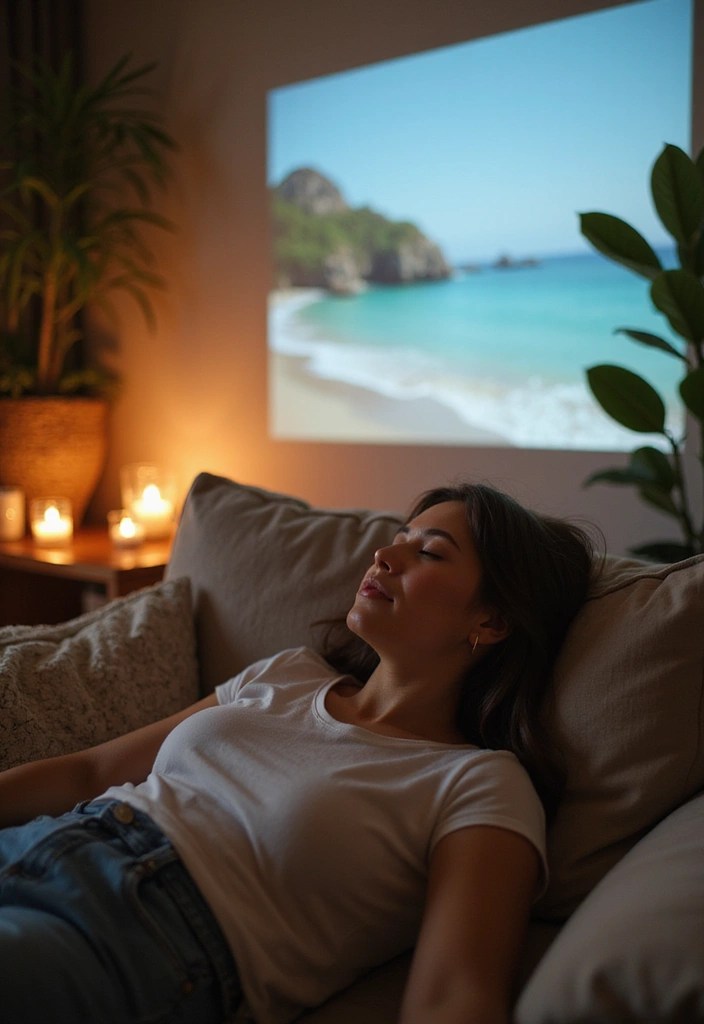
Guided imagery is a powerful technique that uses visualization to promote relaxation and reduce stress.
Find a comfortable position, close your eyes, and imagine a peaceful scene—perhaps a beach, a mountain, or a cozy cabin in the woods.
Engage all your senses: hear the waves crashing, feel the warm sun on your skin, and smell the fresh pine trees. This practice can transport your mind to a calming space, helping to alleviate stress.
Tips: You can find guided imagery recordings online or create your own by describing your peaceful scene aloud.
Unique Insight: Research shows that guided imagery can change brain patterns, leading to reduced stress and improved mood.
Consider using apps like Insight Timer for additional resources.
Product Recommendations:
• guided imagery audio recordings
• aromatherapy diffuser with essential oils
• mindfulness meditation app subscription
4. Gratitude Journaling

Gratitude journaling is a transformative practice that encourages you to focus on the positive aspects of your life.
Each day, take a few minutes to write down three things you are grateful for. This simple act can shift your mindset and help you to recognize the abundance in your life.
Not only does it promote a positive outlook, but it also reduces feelings of stress and anxiety.
Tips: Find a beautiful notebook that inspires you to write and keep it by your bedside. Reflect on both big and small things you are thankful for.
Unique Insight: Studies show that people who regularly practice gratitude report feeling happier and more satisfied in their lives.
Consider using prompts or gratitude apps to keep your practice engaging.
Product Recommendations:
5. Body Scan Meditation

Body scan meditation is a mindfulness practice that helps you connect with your body and release tension.
Lie down comfortably in a quiet space and close your eyes. Starting from your toes, focus your attention on each part of your body, noticing any sensations or tension.
As you breathe deeply, allow each body part to relax, moving slowly up to your head. This practice promotes relaxation and can enhance body awareness.
Tips: Aim for a 10-20 minute session, either in the morning to start your day or at night to unwind.
Unique Insight: Regular body scan meditation can help improve sleep quality and reduce chronic pain by increasing mindfulness of physical sensations.
Consider using guided body scan meditations available on various apps.
Product Recommendations:
6. Mindful Eating

Mindful eating encourages you to slow down and fully experience your meals. Instead of rushing through lunch or dinner, take the time to appreciate the flavors, textures, and aromas of your food.
Start by choosing a meal or snack, and before you eat, take a moment to observe it. Notice the colors, smells, and even the sounds as you prepare to eat.
As you consume each bite, chew slowly and savor the taste, allowing yourself to truly enjoy the experience. This practice not only enhances your relationship with food but also promotes better digestion.
Tips: Try to eat without distractions—no TV or phone. Set aside a specific time for your meals and treat them as special moments.
Unique Insight: Mindful eating can lead to healthier food choices and improved eating habits, helping to reduce overeating and emotional eating.
Product Recommendations:
• Mindful Eating: A Guide to Rediscovering Your Relationship with Food
• Mindfulness Journal for Stress Relief and Meditation
• Food Scale for Portion Control and Mindful Eating
7. Nature Connection

Connecting with nature is one of the most powerful mindfulness practices available to us.
Spending time outdoors can rejuvenate your mind and body, helping to relieve stress and promote well-being. Whether it’s a hike in the mountains, a stroll on the beach, or simply sitting in a park, nature has a healing power that is hard to ignore.
Take time to observe the beauty around you—the colors of the leaves, the sound of birds chirping, or the smell of fresh grass.
Tips: Aim to spend at least 20-30 minutes outdoors each day, even if it’s just in your backyard. Consider joining a local hiking group or nature club to enhance your experience.
Unique Insight: Studies show that spending time in nature can reduce stress hormones and increase feelings of happiness and peace.
Consider carrying a nature journal to document your experiences and observations.
Product Recommendations:
8. Creative Expression

Creative expression is a fantastic way to practice mindfulness while also engaging your artistic side. Activities like painting, drawing, or journaling allow you to focus on the present moment and express your emotions.
Choose a medium that resonates with you—whether it’s painting with watercolors, doodling in a sketchbook, or writing poetry.
Let go of any judgment and simply create for the joy of it. This practice can be incredibly therapeutic and can help to release pent-up feelings.
Tips: Set aside time each week for your creative practice and create a dedicated space for it.
Unique Insight: Engaging in creative activities can lower levels of stress and anxiety, improving mood and overall mental health.
Consider joining a local art or writing group to find inspiration and community.
Product Recommendations:
• sketchbook with high-quality paper
• guided journal for mindfulness and creativity
9. Digital Detox

In our tech-driven world, a digital detox can be a liberating mindfulness practice.
Taking time away from screens allows you to reconnect with yourself and your surroundings. Consider designating specific times during the day to unplug from devices—perhaps during meals or before bedtime.
Use this time to engage in other mindfulness activities like reading, journaling, or spending time in nature.
Tips: Try a weekend without screens to see how it feels. Replace screen time with activities that nourish your mind and soul.
Unique Insight: Studies suggest that excessive screen time can contribute to feelings of anxiety and depression. A digital detox can help restore balance and clarity.
Consider using apps that limit your screen time to help you stay accountable.
Product Recommendations:
• Aromatherapy Essential Oil Diffuser
10. Loving-Kindness Meditation

Loving-kindness meditation is a beautiful mindfulness practice that fosters compassion towards yourself and others.
Begin by finding a comfortable seated position, closing your eyes, and taking a few deep breaths. Silently repeat phrases such as “May I be happy, may I be healthy, may I be safe, may I live with ease.”
Once you feel centered, extend these wishes to others, including loved ones and even those with whom you have difficulties. This practice can transform feelings of anger and resentment into compassion and understanding.
Tips: Practice daily for a few minutes, gradually increasing the duration as you become more comfortable.
Unique Insight: Research indicates that loving-kindness meditation can increase feelings of social connection and decrease feelings of loneliness.
Consider participating in group meditation sessions to enhance your experience.
Product Recommendations:
11. Sound Healing
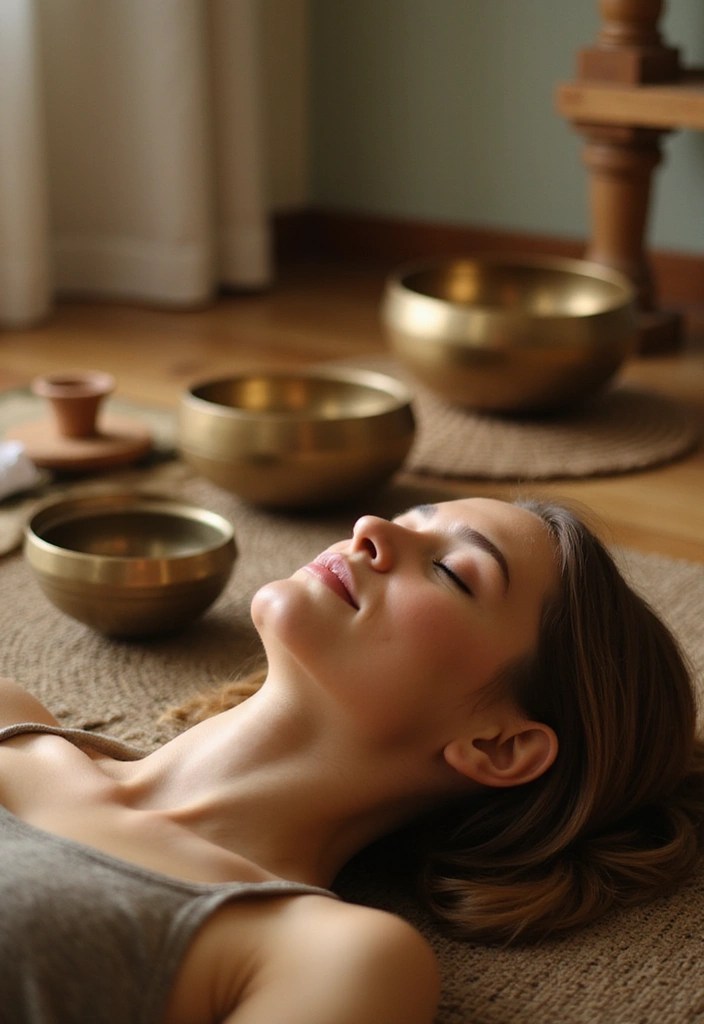
Sound healing is a unique mindfulness practice that uses sound frequencies to promote relaxation and healing.
Incorporate sounds like singing bowls, chimes, or calming music into your mindfulness routine. Sit or lie down comfortably, close your eyes, and allow the sounds to wash over you.
Focus on how the vibrations resonate in your body, helping to release tension and stress.
Tips: Experiment with different sound sources to find what resonates with you. Consider attending sound healing workshops for a shared experience.
Unique Insight: Research shows that sound therapy can lower stress levels and improve overall well-being through the power of vibration and sound waves.
Product Recommendations:
12. Affirmations

Affirmations are positive statements that can help shift your mindset and promote self-love.
Incorporate affirmations into your daily routine by writing them down or repeating them aloud. Choose phrases that resonate with you, such as “I am enough” or “I am worthy of love and happiness.”
As you repeat these affirmations, visualize the positive changes you wish to manifest in your life.
Tips: Place your affirmations where you’ll see them often, like on your mirror or in your planner.
Unique Insight: Research indicates that using affirmations can improve self-esteem and reduce negative self-talk, leading to a more positive outlook on life.
Consider joining online affirmation communities for inspiration and support.
Product Recommendations:
Conclusion

Integrating mindfulness practices into your daily routine can profoundly transform your experience of stress, allowing you to embrace serenity instead.
By exploring these twelve techniques, you can find what resonates with you and create a personalized mindfulness journey.
Remember that mindfulness is a practice, and it’s okay to take small steps towards incorporating it into your life.
Embrace the journey and discover the tranquility that lies within you.
 Protect my mental
Leave a comment